
 +86-19508877506
 admin@henweilan.com

Your Current Position: NEWS
-
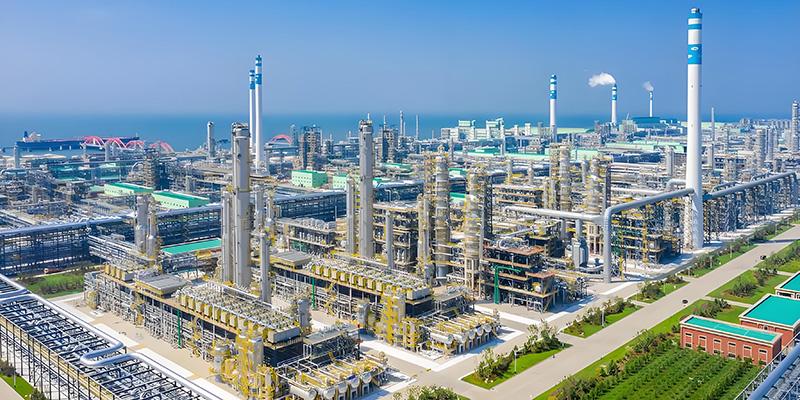 【Industry News】 2025 Plastic Pelletizing Machine Market Analysis: Global Market Size Expands to $20 Billion2025-12-25Global annual plastic production has exceeded 300 million tons and continues to rise. Accelerated industrialization and population growth have driven up demand for plastic products, fueling the rapid expansion of the plastic pelletizing machine market. As key equipment that converts waste plastics or raw materials into plastic pellets, these machines play a vital role in resource recycling and environmental protection, sustaining strong market demand.
 -
 As global environmental awareness grows, the negative impact of plastic waste on the planet has drawn widespread attention. Against this backdrop, the production of PE recycled plastic pellets has emerged as a promising technology. By collecting and reprocessing polyethylene (PE) plastics, it offers a viable solution for plastic recycling. The manufacturing process involves several stages. First, discarded PE plastic products—such as bottles, bags, and containers—are collected from various sources. These wastes undergo preliminary cleaning and sorting to remove impurities and foreign materials.
 -
 【Tech Library】 WEILAN:Recycled Plastic Pellets: The Perfect Synergy of Environmental and Economic Benefits2024-08-20Recycled plastic pellets, a subset of plastic materials, are produced by reprocessing used or discarded plastics through extrusion and pelletization. Graded based on raw material quality and processing characteristics, they are categorized into three levels. The production involves collecting waste plastics, reprocessing them, and pelletizing them. The grading system (Grade 1–3) reflects their diverse applications, making them valuable across multiple industries.
 -
 2023-10-04Have you ever wondered what happens to the plastic bottles and bags you casually discard? Do they become "white pollution" harming the environment, or can they transform into "green treasures" driving industrial change? Today, we delve into the story of modified recycled HDPE plastic pellets—exploring how these materials turn waste into a valuable resource.